


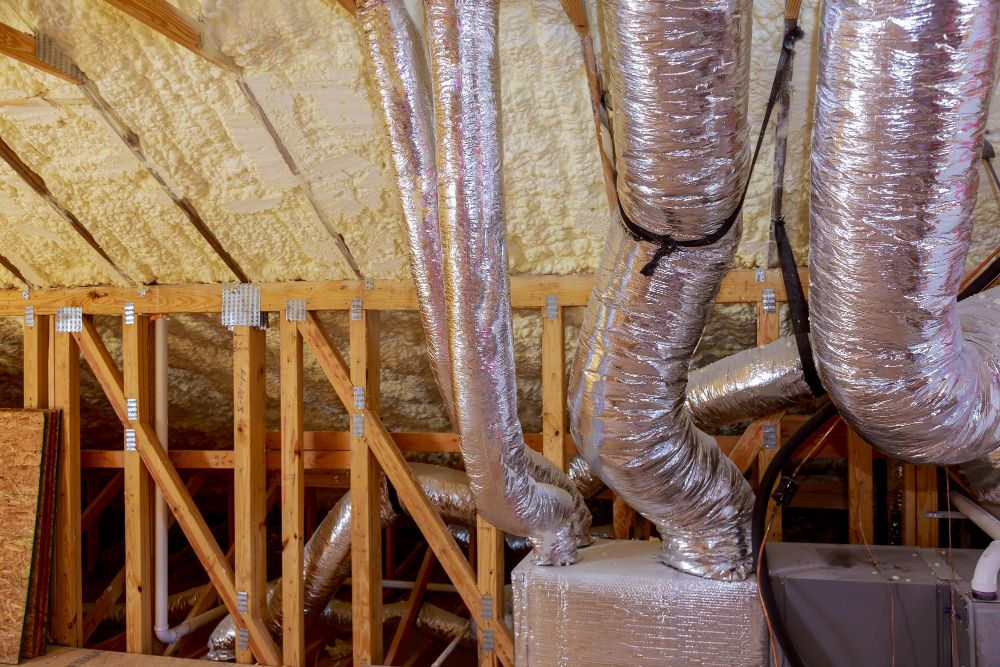
Modern temperature control relies on the specific mechanical design of a ductless vs. ducted HVAC unit. Centralized systems pull air through a network of metal tubes hidden behind walls. Ductless units skip this heavy hardware and mount directly onto a wall or ceiling. Every building requires a unique approach to airflow. Reliable HVAC services solve these thermal challenges with modern technology and expert local knowledge.
At Florida A/C Services, we solve these heating and cooling puzzles every day. As a family-owned and veteran-owned local business, we guide each choice with honest advice. Our certified technicians know what works best for every home’s layout and budget. For reliable help, our air conditioning company in Florida stays ready to assist with any cooling emergency or routine seasonal tune-up today.
Ductless and Ducted HVAC Initial Cost
Ducted systems demand a higher upfront investment for the furnace, coil, and ductwork installation. That metal maze running through walls adds significant material and labor expenses. A ductless mini split costs less to buy because it skips the entire duct network completely.
Multiple indoor heads connect to one outdoor compressor for a ductless setup. Each head adds to the total price but still costs less than a full duct system. HVAC installation services in Florida reveal that ductless saves money on smaller homes or single rooms.
Energy Efficiency of Ductless Compared Ducted
Ductless systems move air directly from the head to the room without any loss. Ductwork leaks up to thirty percent of conditioned air through holes and bad connections. That waste forces a ducted unit to run longer and work harder for the same result.
A ductless mini split uses inverter technology to adjust compressor speed continuously instead of blasting full power. This fine control cuts electricity use compared to a ducted system that cycles on and off. Energy bills drop noticeably for homes that switch from leaky ducts to ductless heads.
Installation Difficulty for Ductless or Ducted
A ducted system requires cutting into walls, running long metal tubes, and sealing every joint. This process takes days and creates dust, noise, and large holes in the structure. A ductless installation needs only a small hole in the wall for lines and wires.
Mounting the indoor head on a wall takes a few hours for a trained technician. The outdoor unit sits on a pad or wall bracket with simple connections to power. This speed means less mess and less disruption for the home during the whole process.
Space Requirements for Ductless and Ducted Units
Ducted systems steal space inside walls, ceilings, and closets to hide all the metal passages. A home loses valuable square footage to accommodate these bulky airways. Ductless units occupy only a small wall space for the indoor head and a pad outside.
The outdoor compressor measures about two feet wide and three feet tall for most homes. Inside, each head protrudes just eight inches from the wall surface. This compact design leaves rooms open and closets free for actual storage.
Aesthetic Impact of Ductless and Ducted Systems
Ducted vents sit flush with ceilings or walls and blend almost invisibly into the room. No one notices a small grille unless they look directly at it. Ductless heads hang prominently on the wall and draw attention with their white plastic casing.
Some homeowners dislike the industrial look of a ductless unit in a formal living room. Others accept the trade for better efficiency and lower installation cost. Newer ductless designs offer slim profiles and colors to match wall paint more closely.
Zoning Capabilities with Ductless and Ducted HVAC
A ductless system zones each room independently with its own indoor head and thermostat. One bedroom stays cool while the next room stays warm without any conflict. This precise control wastes no energy on empty spaces.
A ducted system with a single thermostat treats the whole house as one zone. Closing vents in unused rooms actually increases pressure and damages the equipment. Adding zoning to a ducted system requires expensive motorized dampers and a complex control board.
Maintenance Needs for Ductless and Ducted Equipment
Ducted systems demand filter changes and occasional duct cleaning to remove dust buildup. Dirty ducts blow contaminants into every room whenever the fan runs. A technician must inspect the blower motor, coils, and electrical parts each year.
Ductless heads need regular cleaning of the washable filter and the blower wheel inside. The outdoor coil requires a rinse to remove dirt and leaves from the fins. Both systems need professional service, but ductless systems avoid the extra cost of duct sealing.
Lifespan Expectancy of Ductless and Ducted Systems
A well-maintained ducted system runs for fifteen to twenty years before major failure. The ductwork itself lasts much longer if no one damages it during renovations. A ductless mini split also achieves fifteen to twenty years of reliable service.
The compressor in a ductless unit often outlasts the fans and electronic boards inside. Replacement parts for ductless systems cost more than common ducted components. However, the absence of duct deterioration gives ductless a potential longevity advantage in hot climates.
Indoor Air Quality in Ductless or Ducted HVAC
Ducted systems collect dust, mold spores, and pet dander inside the dark metal passages. Every time the fan starts, it blasts this accumulated debris into the breathing air. Duct cleaning helps but never removes everything from deep inside the tubes.
A ductless system filters the air right at the indoor head without traveling through hidden tunnels. The washable filter traps particles before they recirculate through the room. This direct path means fewer allergens and less dust blown from unknown dirty places.
Noise Levels Produced by Ductless and Ducted
A ducted system hides the noisy blower and compressor inside a closet or the garage. The only sound comes from air rushing through the vents at a low hum. This separation keeps bedrooms and living rooms very quiet during operation.
A ductless indoor head contains a fan that produces a soft whirring sound at all speeds. The outdoor compressor makes a noticeable noise that can disturb a nearby patio or window. Modern ductless units operate much quieter than older models but still produce some audible airflow.
Home Value Impact of Ductless and Ducted
A ducted system represents a traditional setup that most home buyers expect to find. The absence of ducts raises questions and concerns for people unfamiliar with the technology. A home with ductless units may sell for less in markets that prefer conventional systems.
However, a ductless system adds value in older homes with no existing ductwork. The cost to add ducts to a historic house far exceeds the price of installing mini splits. Buyers recognize the energy savings and zoning benefits as major advantages for a retrofit property.
Climate Suitability for Ductless or Ducted
A ducted heat pump struggles to maintain warmth in very cold winter temperatures. Electric resistance heat kicks on to supplement the heat pump and drives up bills. A ductless mini split uses advanced inverter compression to extract heat down to negative five degrees.
In hot and humid climates, ducted systems lose efficiency through leaky ductwork in the attic. Ductless units avoid this loss by placing the evaporator directly inside the conditioned space. For extreme cold or intense heat, ductless outperforms ducted in both comfort and cost.
Retrofitting Old Homes with Ductless or Ducted
An old house with plaster walls and no empty spaces makes duct installation nearly impossible. Cutting into lath and plaster destroys the historic finish and creates a huge mess. A ducted retrofit costs thousands more than a new construction installation.
A ductless system slides into any old home with just a small hole per indoor head. The lines run along the exterior wall and hide inside a slim plastic cover. This approach preserves the original walls and avoids tearing apart a century of craftsmanship.
Environmental Footprint of Ductless and Ducted
A ductless system uses less electricity to move the same amount of heat from place to place. Lower energy consumption means fewer power plant emissions and a smaller carbon footprint. The refrigerant charge in a mini split also stays contained within a sealed copper loop.
A ducted system wastes energy through leaks and conducts heat through thin metal walls. That waste increases greenhouse gas production for every hour of operation. Between the two choices, ductless wins the environmental comparison for most residential applications.
Contact Florida A/C Services Today for Your New System
Need a final answer on ductless versus ducted for a hot Florida home? We deliver same day service with NATE and EPA-certified technicians who fix any breakdown fast. Our family and veteran-owned business backs every repair with a great warranty and Google Guaranteed trust. For emergency AC services in Ocala, Florida, call Florida A/C Services now. Florida A/C Services handles the hard work so the home stays cool all summer long.