


Quick Summary
HVAC problems often start with small changes, such as weak airflow, uneven comfort, longer cycles, water near the unit, unusual sounds, or rising energy bills. These signs can point to deeper issues involving filters, coils, refrigerant, drainage, ducts, thermostats, or electrical controls. Professional service helps trace each symptom to the real source through proper inspection, testing, and system evaluation. With timely care from Florida A/C Services, homes and businesses can restore steadier comfort and reduce repeated system strain.
Reliable indoor comfort can change quickly when your HVAC system stops responding the way it should. Maybe the air feels warmer than usual, your system runs longer, or your energy bill starts climbing without a clear reason. These moments can be frustrating, especially when you depend on steady cooling through long, humid days. Common HVAC problems are easier to handle when you know which warning signs deserve professional attention.
Let’s look at what these warning signs can reveal and how trained technicians handle them through proper inspection, testing, and expert care.
Dirty or Clogged Air Filters
A loaded filter can quietly change how the whole HVAC system performs. Air has to pass through that return path before cooling or heating can move through the property, so restriction often shows up as longer cycles, weak comfort, or extra strain. Service usually starts by confirming the filter size, rating, fit, and condition. From there, airflow is evaluated around the return side and nearby equipment. That process helps reveal whether the filter is the main issue or part of a wider circulation problem affecting the coil, blower, or duct system during normal daily operation.
Weak or Uneven Airflow
Uneven airflow often shows up room by room. One area may feel comfortable while another stays warm, even with the system running. Register readings, return air movement, blower condition, and duct pressure can all point toward where the restriction begins. Sometimes the issue sits near the vent. Other times, it traces back to duct leakage, motor trouble, dirty coils, or poor air balance. A focused evaluation keeps the service plan directed at the source instead of treating every room as though it has the same problem during peak cooling demand inside your home or business.
Thermostat Problems
A thermostat can affect comfort even when the main HVAC equipment is still capable of running. Incorrect readings, poor placement, wiring faults, or outdated controls may lead to delayed starts, short cycles, or temperatures that never match the setting. During service, the thermostat response is compared with actual room conditions and system behavior. Calibration, wiring, programming, and location all need attention. If the control is working correctly, deeper testing can continue at the equipment to identify why comfort still feels inconsistent under normal indoor loads. That keeps control issues separate from deeper performance concerns indoors.
Refrigerant Leaks or Low Refrigerant Levels
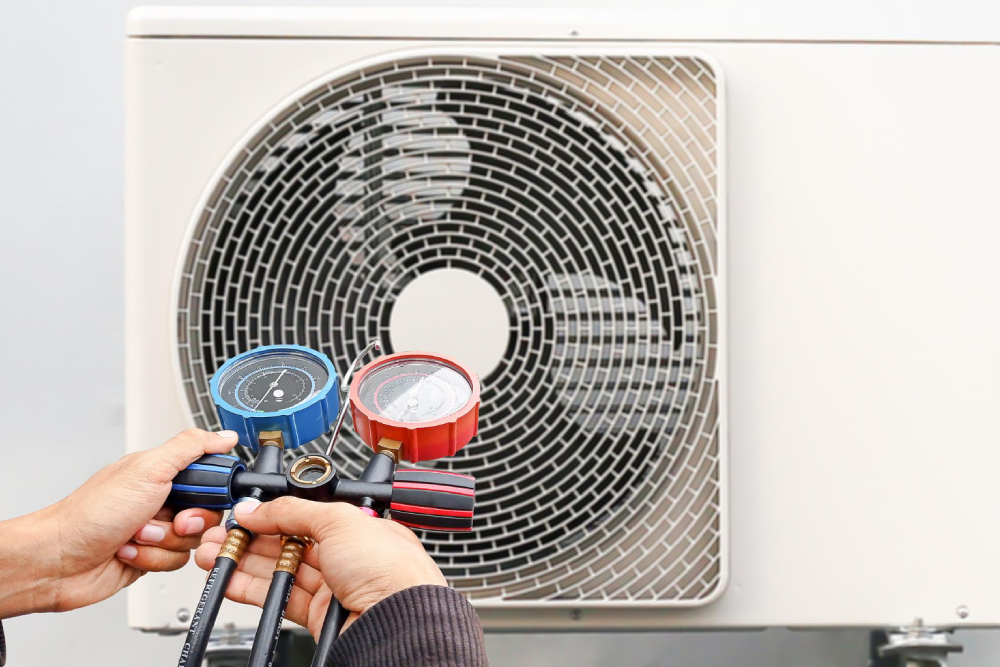
Low refrigerant changes pressure inside the system, which can reduce cooling and place stress on the compressor. Warm supply air, longer run times, ice on refrigerant lines, or rising energy use can all raise concern. Proper handling involves more than adding refrigerant. Pressure readings, leak detection, repair options, and manufacturer charging specifications guide the work. Refrigerant service also carries safety and environmental requirements, so trained handling is required. When the charge is corrected accurately, the system has a better chance to cool efficiently and operate within its intended range during demanding weather and longer daily cooling cycles in Florida homes.
Frozen Evaporator Coils
A frozen evaporator coil usually points to a condition that interrupted normal heat transfer. Restricted airflow, low refrigerant, blower trouble, or buildup on the coil can all contribute. Before performance can be measured, the ice needs to clear and the system must return to safe operating conditions. Once testing begins, airflow, refrigerant charge, coil condition, and blower operation can be traced together. That sequence helps identify why the freeze happened in the first place, which protects the equipment from repeat strain and unstable cooling after service is complete and normal cooling operation can resume safely.
Clogged Condensate Drain Lines
Moisture removal is part of normal cooling, especially during humid weather. After water collects in the drain pan, it should move through the condensate line without backing up. Algae, sludge, and debris can block that path, leading to water near the unit, musty odors, shutoffs, or a full pan. Service focuses on clearing the line, reviewing the pan, confirming float switch operation, and looking for signs of recurring buildup. A clean drainage path helps protect the property from water damage and supports better humidity control during everyday system operation inside your home or business daily.
Electrical or Control System Issues
Electrical parts work hard every time an HVAC system starts, stops, and responds to indoor demand. Capacitors, contactors, relays, wiring, sensors, and control boards can weaken from heat, age, corrosion, storms, or frequent cycling. Clicking sounds, failed starts, sudden shutdowns, or unreliable operation are warning signs. Diagnosis requires controlled testing of voltage, connections, safety devices, and component response. High voltage and sensitive controls make this a service area for trained hands. Correct repair helps protect motors, compressors, and controls from repeated stress during heavy cooling demand and sudden weather changes across the cooling season in Florida homes and businesses alike.
Dirty Coils and Outdoor Unit Problems
The outdoor unit has to release heat efficiently for cooling to feel steady indoors. Grass clippings, leaves, dirt, rain exposure, and coastal debris can collect around the condenser coil and cabinet. As buildup increases, heat transfer becomes weaker and the system may run harder. Service includes reviewing coil condition, fan operation, cabinet clearance, refrigerant lines, and visible wear around the unit. Cleaning methods should match the equipment, followed by operation testing under demand. This helps restore heat release and reveal early signs of outdoor component trouble before comfort drops further inside the property during use.
Ductwork Leaks or Poor Duct Design
Comfort can suffer when conditioned air fails to reach the rooms it was meant to serve. Leaky joints, crushed runs, weak insulation, loose connections, or poor layout can send cooled air into attics, crawl spaces, or wall cavities. Airflow readings, pressure testing, and visual inspection help locate the loss or restriction. From there, duct sealing, repair, insulation improvements, or layout changes may be recommended. Better air delivery can improve room balance and reduce the strain placed on the HVAC system during long cooling cycles and humid afternoons during peak demand across your home or business.
Short Cycling or Constant System Operation
Cycle patterns reveal a lot about system health. Short cycling means the unit starts and stops too often, while constant operation means it runs with little relief. Either pattern can come from airflow restriction, thermostat trouble, refrigerant problems, dirty coils, electrical faults, or equipment sizing concerns. Service compares temperature readings, cycle length, airflow, and equipment condition to narrow the cause. That measured approach separates a minor service need from a larger performance issue. Once corrected, the system can operate with less strain on compressors, motors, and controls during heavy demand and normal daily use throughout the cooling season each day.
Keep Comfort Steady with the Right HVAC Team
HVAC trouble rarely stays isolated for long. One weak sign can affect comfort, energy use, moisture control, and equipment performance throughout the property. A professional inspection gives each symptom the attention it deserves, so the repair recommendation reflects the system’s real condition. That approach helps reduce repeat issues, protects major components, supports healthier indoor air, and keeps your home or business more comfortable during demanding cooling seasons.
At Florida A/C Services, we handle AC repair, HVAC repair, maintenance, inspections, ductwork, indoor air quality support, mini split service, heat pump service, and commercial HVAC care. Our family owned and veteran operated team brings licensed, certified service to every visit, with clear communication and careful testing from start to finish. We can also help you plan routine maintenance, review comfort concerns, and address system changes before they turn into disruptive breakdowns that affect your day, your property, or your cooling budget.
Reach out to us when your HVAC system starts acting differently. We are ready to help restore steady comfort with professional service you can trust. Call today to schedule your HVAC service appointment now.
FAQs
What are the most common signs of HVAC problems?
Warning signs often include weak airflow, uneven room temperatures, unusual noises, longer run times, frequent cycling, water near the unit, musty odors, or energy bills that rise without a clear change in usage. These symptoms can point to airflow restrictions, drainage issues, refrigerant trouble, electrical faults, or duct problems. Professional inspection helps identify the source accurately.
Can HVAC problems go away on their own?
HVAC issues may appear to improve for a short time, yet repeated symptoms usually signal an active system concern. Warm air, short cycling, weak airflow, or water leaks should not be ignored. A trained technician can test the equipment under normal operation and confirm whether the issue needs adjustment, repair, cleaning, or deeper system evaluation.
Why should HVAC problems be handled by professionals?
HVAC systems involve refrigerant, electrical components, airflow balance, drainage, and sensitive controls. Professional service uses proper testing, tools, and safety procedures to find the real cause instead of guessing. This helps protect equipment performance, indoor comfort, and system reliability while reducing the chance of repeat problems after the first visit.