


Quick Summary
Reliable AC performance in Florida starts with a clear service schedule, usually once a year at minimum and often twice a year for stronger protection. Regular maintenance helps control airflow, humidity, energy use, and system strain during long cooling seasons. It also gives technicians a chance to catch warning signs early, from drain concerns to worn components, before comfort problems become more serious.
Florida comfort depends heavily on a reliable AC system, especially when heat and humidity stay active for much of the year. Your cooling system also needs proper attention, from cleaning and inspections to professional service that helps keep it running safely and efficiently. Many homeowners wonder how often should AC be serviced before performance drops or repair risks grow. Understanding the right service schedule can help you protect comfort, manage energy use, and avoid preventable system strain.
Let’s look at the timing that makes the most sense for your home.
How Often You Service Your AC?
Most homes should schedule professional AC service once a year as the usual minimum. For Florida homes, a twice-a-year rhythm is often better, with one visit in spring before peak cooling season and another in fall after heavy summer use.
Spring service helps prepare the system for long daily run times, stronger humidity demand, and higher outdoor temperatures. Fall service gives a technician a chance to review wear, drainage, airflow, and efficiency after months of steady operation.
Some systems may need service sooner, especially older units, high-use homes, rental properties, homes with pets, or equipment with past repair issues. A clear yearly or twice-yearly schedule keeps maintenance predictable and helps you plan care before comfort problems interrupt your day.
Why Florida Homes May Need AC Service More Often
Long cooling seasons place more demand on your system than a milder climate would. In Florida, your AC may run through humid mornings, hot afternoons, and warm evenings for much of the year. That steady workload can speed up dust buildup, coil contamination, drain line clogs, electrical wear, and airflow restrictions.
Humidity also makes the system work harder to remove moisture from indoor air, which can affect comfort even when the thermostat looks normal. Coastal homes may face added exposure from salt air, while busy households often create more filter demand through pets, cooking, and daily activity.
More frequent service helps catch these conditions early, so your system stays prepared for Florida’s heat instead of reacting after comfort starts to slip during peak cooling months.
What Happens During Professional AC Service?
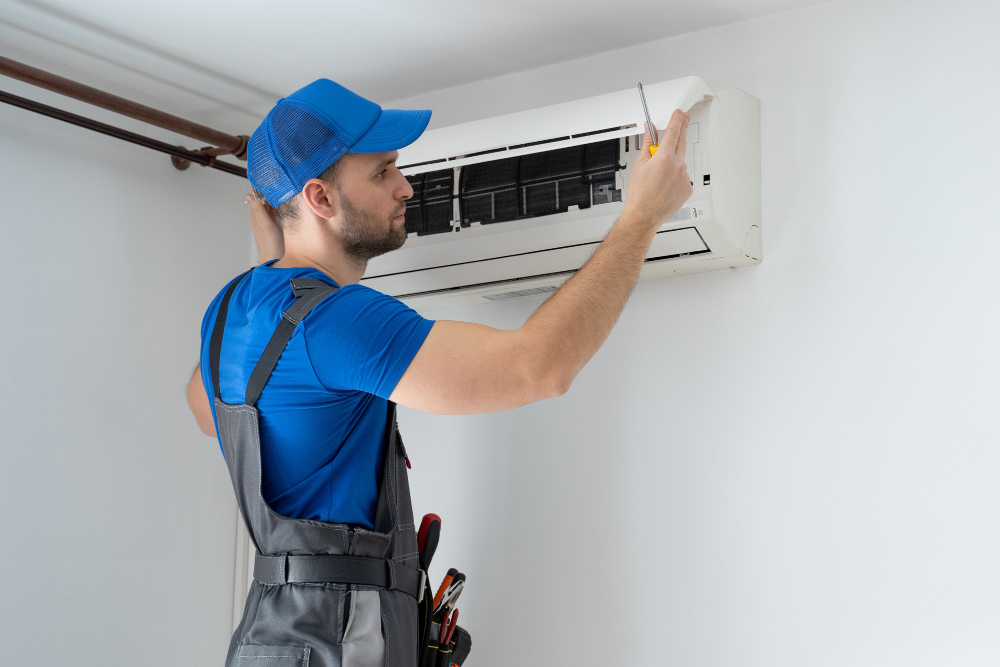
A trained technician usually starts with a full system inspection, then checks airflow, thermostat operation, refrigerant level, electrical connections, and system controls. The visit may also include coil cleaning, blower component review, condensate drain inspection, and a look at visible duct or return air concerns. These steps help reveal issues that may reduce cooling power, raise energy use, or create moisture problems inside the system.
During service, the technician can also identify worn parts, loose wiring, clogged drain risks, dirty coils, and signs of stress before they turn into larger repairs. For Florida homes, drain line and humidity-related checks are especially important, since excess moisture can affect comfort and indoor air quality. A thorough visit gives your AC a clearer performance baseline.
Why Skipping AC Service Can Cost You More
Putting maintenance off may seem harmless when cool air still comes through the vents, but hidden strain can build quietly inside the system. Dirty coils, clogged filters, weak airflow, drain restrictions, and worn electrical parts can force longer run times and higher energy use. Over time, small performance changes may turn into frozen coils, water leaks, humidity problems, or sudden breakdowns during hot weather.
Missed service may also make it harder to document maintenance history for warranty discussions. Regular inspection gives technicians a chance to measure system condition, clean key components, and address concerns while they are still manageable. Planned care is usually easier to handle than an urgent repair on a crowded summer schedule. That added stability can protect comfort and household budgets.
Signs Your AC Needs Service Before Its Next Appointment
Changes in comfort often show up before a full breakdown. Call for service sooner when airflow feels weak, rooms cool unevenly, warm air comes from vents, or the system starts and stops more often than normal. Unusual sounds, musty odors, water near the indoor unit, rising energy bills, and longer cooling cycles also deserve attention. These symptoms can point to blocked airflow, drain line trouble, coil buildup, refrigerant concerns, electrical wear, or thermostat issues.
A trained technician can test the system safely and identify the source without guesswork. Waiting until the AC stops working can leave your home uncomfortable during peak heat. Early service helps protect cooling performance and gives you more control over repair timing.
How You Can Support Your AC Between Service Visits
Small, consistent habits can help your system stay cleaner and easier to service between professional visits. Start with airflow, since dirty filters and blocked vents can make your AC work harder during heavy cooling months. Replace or check air filters on a routine schedule, especially in homes with pets, and keep supply and return vents open, clear, and unblocked.
From there, pay attention to changes such as new sounds, odors, water near the indoor unit, longer run times, or rooms that feel warmer than usual. These signs should lead to a professional service call instead of trial and error repairs. Keep outdoor equipment clear of stored items, plants, and debris so a technician can inspect the unit properly when service is needed.
Keep Comfort Predictable with the Right AC Service Plan
Staying ahead of AC service gives your cooling system a steadier path through Florida heat, humidity, and long run times. For most homes, yearly service is the minimum, while twice yearly service often gives better protection in this climate. A clear schedule helps reduce avoidable strain, supports cleaner airflow, improves humidity control, and gives small concerns less time to turn into expensive repairs.
At Florida A/C Services, we help you stay on track with AC maintenance, detailed inspections, system cleaning, and service plans built for Florida homes. Our team can check performance, review drainage, inspect key components, and recommend service timing based on your equipment, usage, and daily comfort concerns. We also offer AC repair, AC installation, ductless AC support, indoor air quality solutions, and commercial HVAC service when your needs go beyond regular maintenance.
Schedule your AC service with us today and keep your home ready for the next stretch of Florida weather.
FAQs
How often should I schedule professional AC service in Florida?
Most homes should schedule professional AC service at least once a year. In Florida, twice a year is often a stronger choice due to long cooling seasons, heavy humidity, and frequent system use. Spring service can prepare your AC for peak heat, while fall service can check wear after months of steady operation.
What happens during an AC service appointment?
A professional service visit may include checking airflow, thermostat operation, refrigerant level, electrical connections, coils, blower components, and the condensate drain. Technicians also look for signs of wear, moisture issues, and restricted airflow. These checks help improve comfort, support efficiency, and reveal smaller concerns before they grow into more expensive repairs.
What signs mean my AC needs service sooner?
Warning signs include weak airflow, warm air from vents, unusual noises, musty odors, short cycling, water near the indoor unit, rising energy bills, or rooms that cool unevenly. These symptoms can point to airflow restrictions, drain problems, electrical wear, refrigerant concerns, or coil buildup, so professional service should be scheduled before the system fails.