


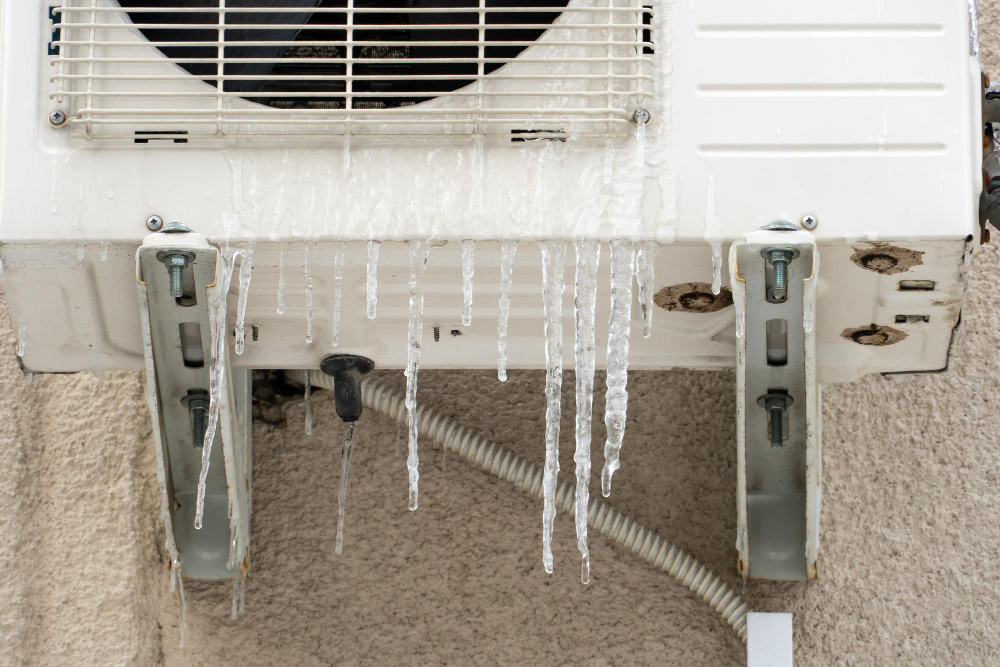
A frozen AC usually starts with airflow problems, dirty filters, coil buildup, low refrigerant, blower issues, thermostat trouble, clogged drain lines, or skipped maintenance. Ice on the system is a warning sign that the unit is struggling to operate properly, especially during Florida’s hot and humid cooling seasons. Professional inspection helps identify the real cause before the problem strains the compressor, weakens comfort, or leads to a larger repair.
Few things feel more frustrating than seeing ice on your air conditioner while your home still feels warm. Florida heat and humidity can make this problem show up fast, especially when your system runs through long cooling cycles. If you are searching for what causes AC freeze up, the answer usually connects to airflow, refrigerant pressure, dirty parts, or failing components. Ice on the system is a warning sign that needs attention. Running a frozen unit can strain the compressor, weaken cooling performance, and lead to bigger repair needs.
Let’s look at the main reasons your AC may freeze.
Dirty or Clogged Air Filter
Airflow can drop quickly when the filter fills with dust, pet hair, pollen, and other household debris. Your system needs steady warm air moving across the evaporator coil during every cooling cycle. Once that movement slows, the coil can become too cold and moisture may freeze on its surface. You may notice weak airflow, longer run times, or rooms that stay uncomfortable. Routine filter checks help reduce this risk during peak Florida cooling months.
Blocked Vents or Restricted Airflow
Comfort problems can start when supply vents are closed, return grilles are blocked, or furniture limits air movement. Your AC relies on balanced circulation to pull heat from indoor air and move cooled air back through the home. Poor flow can leave the evaporator coil without enough heat to stay above freezing. Ice may form while rooms feel uneven or stuffy. A technician can trace hidden restrictions inside ducts, returns, and equipment during an inspection.
Dirty Evaporator Coil
Buildup on the evaporator coil creates a barrier between the coil surface and the indoor air passing over it. Heat transfer becomes weaker, so the coil may drop below the proper operating temperature. Dust, moisture, and biological growth can make the problem worse in humid homes. Ice can spread across the coil and nearby refrigerant lines. This condition often points to skipped maintenance, filter trouble, or deeper airflow concerns inside the system as buildup grows.
Low Refrigerant or Refrigerant Leak
Pressure inside the cooling system changes when refrigerant is too low. That shift can make the evaporator coil colder than normal, which allows moisture to freeze instead of draining away. Refrigerant does not disappear during normal operation, so a low level may signal a leak or an incorrect charge. Warning signs can include hissing sounds, poor cooling, and longer run times. Professional testing is needed before any recharge is added or a repair plan starts.
Blower Fan or Motor Problems
Warm indoor air reaches the evaporator coil because the blower fan keeps it moving. A weak motor, loose component, electrical issue, or failing fan can slow that movement and leave the coil too cold. You might hear unusual sounds, feel weak airflow, or notice uneven temperatures across rooms. These symptoms can worsen as the system keeps running. Proper inspection helps identify whether the trouble comes from the motor, fan assembly, wiring, controls, or related parts.
Thermostat Issues or Very Low Settings
Cooling cycles depend on accurate thermostat readings and proper communication with the AC system. A thermostat near sunlight, appliances that produce heat, or drafts may send signals that do not match the home’s real temperature. Very low settings can push the unit into longer run times during unstable airflow or refrigerant conditions. The result may be coil temperatures that fall too far. Diagnosis helps separate thermostat trouble from equipment performance issues before repairs begin.
Clogged Drain Line or Poor Maintenance
Moisture control matters in Florida because your AC removes humidity while cooling the air. A clogged drain line can cause water to back up near cold parts of the system. At the same time, neglected maintenance may allow dirty filters, dusty coils, weak airflow, and worn components to build together. Those combined problems can raise the chance of ice on the coil or refrigerant lines. Regular inspections spot warning signs.
Stop AC Ice Before It Turns into a Bigger Cooling Problem
A frozen AC is more than a frustrating comfort issue. It often points to restricted airflow, dirty filters, coil buildup, low refrigerant, blower trouble, thermostat issues, drainage problems, or missed maintenance. Since ice is usually the symptom, the safest next step is a professional inspection that finds the real cause before added strain reaches the compressor or other major parts. At Florida A/C Services, we can inspect your system, check airflow, evaluate refrigerant concerns, clean key components, repair faulty parts, and recommend AC maintenance that helps your home stay cooler through Florida’s demanding weather. We can also help with indoor air quality and duct services if airflow or buildup is affecting your comfort.
Schedule service with us today, and let our team get your cooling back on track.
FAQs
Why does my AC freeze up even when it is hot outside?
Hot weather does not prevent freezing because the evaporator coil can still drop below the proper temperature when airflow is weak or refrigerant pressure is off. Dirty filters, blocked vents, coil buildup, or blower problems can keep warm indoor air from reaching the coil. Once moisture touches that cold surface, ice can form.
What should I do if I see ice on my AC?
Turn the system off and avoid running it while ice is present, since continued operation can strain the compressor and other parts. A frozen AC needs proper diagnosis, especially if the cause involves refrigerant, electrical parts, airflow restrictions, or a failing blower motor. Schedule a professional inspection before restarting normal cooling.
Can regular AC maintenance help prevent freezing?
Yes, regular maintenance can reduce freezing risks by catching dirty coils, weak airflow, clogged drain lines, worn parts, and refrigerant concerns before they disrupt cooling. Florida homes place heavy demand on AC systems, so scheduled inspections are helpful during peak cooling months. Maintenance also supports steadier comfort and better system performance.